
Does 100% Wool Keep You Cool? A Technical Analysis

Wool is traditionally associated with warmth. From winter jumpers and blankets to insulation and heavy outerwear, the fibre has a long-established reputation for protecting against cold conditions.

This can make the idea of wearing 100% wool in warm weather seem counterintuitive.

However, wool is not simply an insulating material. Its fibre structure allows it to interact dynamically with heat, moisture and the microclimate immediately surrounding the body. As a result, appropriately constructed wool textiles can help the wearer remain comfortable in both cold and warm environments.

So, does 100% wool actually keep you cool?

The answer is more nuanced than a simple yes or no. Technically, wool does not actively “cool” the body like a refrigeration system. Instead, it can support the body’s natural thermoregulation by managing moisture, facilitating evaporation and buffering changes in temperature and humidity.

Understanding Thermal Comfort

To understand why wool can perform in warm conditions, it is important to distinguish insulation from thermal regulation.

Human thermal comfort depends on maintaining a balance between the heat generated by the body and the heat transferred to the surrounding environment.

Heat can leave the body through several mechanisms, including:

  • Radiation
  • Convection
  • Conduction
  • Evaporation

During warm conditions or physical activity, evaporation becomes particularly important. Sweat evaporating from the skin removes heat and contributes to the body’s cooling mechanism.

The clothing worn over the skin can either assist or interfere with this process.

A technical textile therefore needs to do more than simply have low insulation. It must also manage the movement of heat, air and water vapour.

This is where wool becomes particularly interesting.

Wool Is a Hygroscopic Fibre

One of wool’s most important technical characteristics is its hygroscopicity.

A hygroscopic material can absorb water vapour from the surrounding atmosphere.

The internal structure of a wool fibre contains hydrophilic regions capable of attracting and temporarily holding water molecules. According to the International Wool Textile Organisation, wool can absorb moisture vapour equivalent to a significant proportion of its own weight under suitable atmospheric conditions.

This does not necessarily mean the fabric feels wet.

Moisture can be absorbed within the internal structure of the fibre rather than simply remaining as liquid water on its surface.

This distinction is important for thermal comfort.

Instead of allowing all perspiration to accumulate between the skin and clothing, wool can absorb some of the water vapour produced by the body and subsequently release it as environmental conditions change.

Moisture Management and Evaporative Cooling

Evaporation is one of the body’s principal cooling mechanisms.

When liquid sweat changes into water vapour, energy is required for the phase change. That energy is taken partly from the surrounding environment and skin, producing a cooling effect.

A breathable textile can assist this process by allowing moisture vapour to move away from the body.

Wool’s ability to absorb and release moisture means it can help regulate the humidity of the small layer of air between the skin and clothing, commonly referred to as the microclimate.

This means wool can effectively act as a dynamic moisture buffer, helping to moderate changes in humidity and temperature immediately next to the skin.

This is one reason lightweight wool garments can remain comfortable even when environmental temperatures increase.

The Structure of the Wool Fibre Matters

The behaviour of wool is also influenced by its physical structure.

Individual wool fibres contain a natural waviness known as crimp.

When fibres are assembled into yarn and fabric, this three-dimensional structure can create microscopic pockets of air.

In cold conditions, these pockets contribute to insulation by trapping relatively still air.

But the same structure can also contribute to breathability and moisture movement within appropriately constructed textiles.

This illustrates an important point:

Wool does not have one fixed thermal behaviour.

Its performance changes according to the surrounding environment, moisture conditions, fabric construction and the activity of the wearer.

What Happens When the Body Gets Hot?

Imagine someone wearing a lightweight 100% wool shirt on a warm day.

As body temperature rises, the skin begins producing perspiration.

Water vapour moves from the relatively warm, humid environment next to the skin towards the cooler or less humid external environment.

Wool fibres can absorb part of this moisture vapour.

Moisture is subsequently transported and released into the surrounding atmosphere, where evaporation can contribute to heat loss.

This helps explain why fine wool has historically been used for much more than heavy winter clothing.

Wool’s Heat of Sorption

One of the more unusual aspects of wool’s thermal behaviour is a phenomenon known as the heat of sorption.

When wool absorbs water vapour, interactions between water molecules and the chemical groups within the fibre release a small amount of heat.

At first, this might appear contradictory when discussing wool as a warm-weather textile.

However, the significance lies in wool’s ability to buffer rapid changes in temperature and humidity rather than simply making the wearer warmer.

The process is reversible. When absorbed moisture is released from the fibre, energy is required.

This dynamic behaviour is particularly valuable when environmental conditions or activity levels repeatedly change.

Why Wool Can Be Effective During Exercise

Consider hiking.

During a steep climb, the body produces considerable heat and perspiration. When the walker stops, metabolic heat production rapidly decreases.

A textile that holds liquid sweat against the skin can suddenly feel cold as that moisture evaporates.

This is commonly referred to as post-exercise chill.

Wool’s ability to absorb moisture vapour and moderate changes in the clothing microclimate can help reduce sudden fluctuations in perceived temperature.

This behaviour is sometimes referred to as dynamic breathability.

Rather than merely being “warm” or “cool”, wool responds to changing moisture and temperature conditions.

Does Wool Feel Less Clammy?

Thermal comfort is not determined purely by measured temperature.

The sensation of dampness is extremely important.

A fabric sitting against sweaty skin can feel uncomfortable even when the body itself is not overheating.

Because moisture can move into the internal structure of wool fibres, less moisture may remain immediately available at the fibre surface.

This helps explain why a wool garment can contain absorbed moisture without necessarily feeling saturated or excessively clammy.

Does That Mean All 100% Wool Is Cool in Summer?

No.

This is an important distinction.

The thermal performance of a textile depends on much more than its fibre composition.

A heavy 100% wool overcoat will obviously be unsuitable for a hot summer day.

Likewise, a thick wool jumper is designed specifically to trap substantial amounts of air and reduce heat loss.

The thermal behaviour of a wool textile depends upon factors including:

  • Fabric weight
  • Fibre diameter
  • Yarn structure
  • Weave or knit density
  • Garment fit
  • Fabric thickness
  • Air permeability
  • Humidity
  • Wind
  • Activity level
  • Moisture content

Therefore, the statement “100% wool keeps you cool” should not be interpreted as meaning every wool product is suitable for hot weather.

A more technically accurate statement would be:

Lightweight, appropriately constructed 100% wool textiles can support thermal comfort in warm conditions through moisture management, breathability and evaporative heat transfer.

Fine Wool vs Heavy Wool

Fibre diameter also influences how wool is used.

Fine wool fibres can be spun into lightweight yarns capable of producing thin fabrics suitable for next-to-skin clothing, sportswear, tailoring and summer garments.

These fabrics behave very differently from the thick woollens traditionally associated with winter clothing.

Lightweight worsted wool, for example, has long been used for suits because a relatively fine and breathable fabric can provide good drape while allowing heat and moisture to move through the textile.

Modern superfine wool extends this principle into base layers, T-shirts and performance clothing.

Wool Compared With Polyester

Polyester behaves very differently because it absorbs relatively little water vapour into the fibre itself.

Polyester garments can still be engineered to manage sweat effectively through fibre geometry, capillary structures and fabric construction.

It would therefore be inaccurate to claim that wool will always outperform polyester.

What distinguishes wool is that much of its moisture-management behaviour is an intrinsic property of the fibre itself.

The fibre naturally interacts with atmospheric moisture rather than relying entirely on the physical engineering of the finished fabric.

Wool Compared With Cotton

Cotton is also hydrophilic and can absorb significant amounts of moisture.

However, its moisture behaviour differs from wool.

Cotton can become heavily saturated with liquid perspiration, potentially producing a damp garment that takes time to dry.

Wool’s ability to store moisture vapour within the fibre while maintaining a comparatively dry-feeling surface contributes to its distinctive comfort characteristics.

Again, fabric construction and environmental conditions remain important, so fibre composition alone cannot determine which garment will feel coolest in every situation.

The Importance of the Microclimate

Perhaps the best way to understand wool is not to ask whether the fibre is inherently “hot” or “cold”.

Instead, we should consider what happens in the few millimetres between the garment and the skin.

This microclimate constantly changes as the wearer:

  • Generates heat
  • Perspires
  • Moves
  • Rests
  • Enters warmer environments
  • Enters cooler environments
  • Encounters changes in humidity

Wool’s combination of moisture absorption, vapour transport, insulation and sorption behaviour allows it to moderate some of these fluctuations.

This is why wool is often described as a thermoregulatory fibre.

So, Does 100% Wool Keep You Cool?

Yes, under the right conditions.

A lightweight 100% wool textile can help the wearer remain cool and comfortable because wool:

  • Absorbs significant quantities of moisture vapour
  • Helps move moisture away from the skin
  • Supports evaporative cooling
  • Allows water vapour to move through appropriately constructed textiles
  • Helps maintain a more stable skin-clothing microclimate
  • Can feel comparatively dry while containing absorbed moisture
  • Buffers temperature and humidity changes during changing activity levels

The important word, however, is regulation.

Wool is not simply a material that keeps people warm.

Its sophisticated fibre structure enables it to respond to moisture and environmental conditions, helping create a more stable environment next to the body.

That ability to provide insulation when required while also supporting moisture transport and evaporative cooling is one of the reasons wool remains such an unusual and technically valuable natural fibre.

From Raw Fibre to High-Performance Textile

The performance of the finished wool textile begins long before a garment reaches the wearer.

Fibre quality, preparation, cleaning, wool processing, scouring, spinning and textile construction all influence the characteristics of the finished material.

At 标准羊毛-主页, our position within the international wool supply chain gives us first-hand experience of the remarkable versatility of this natural fibre, from raw wool through processing and onward to manufacturers producing products for an enormous range of applications.

Whether wool is ultimately destined for insulation, interiors, technical textiles, tailoring or lightweight apparel, understanding the science behind the fibre helps explain why it has remained relevant for generations.

Wool does not simply protect us from temperature. It helps us manage it.

Thomas Chadwick Mill Cleared Ready for New Wool Scouring Machinery

An exciting stage has been reached in the development of our wool scouring operations, with the mill at Thomas Chadwick now cleared for the new machinery to be installed.

The transformation of the site marks an important milestone for 标准羊毛-主页 and represents another significant investment in the future of wool processing in Yorkshire.

Preparing the Mill for Its Next Chapter

Over recent weeks, extensive work has been taking place inside the mill to clear the production area and prepare the building for the installation of the new equipment.

Existing machinery and infrastructure have been removed, leaving a substantial open production space ready for the next phase of work.

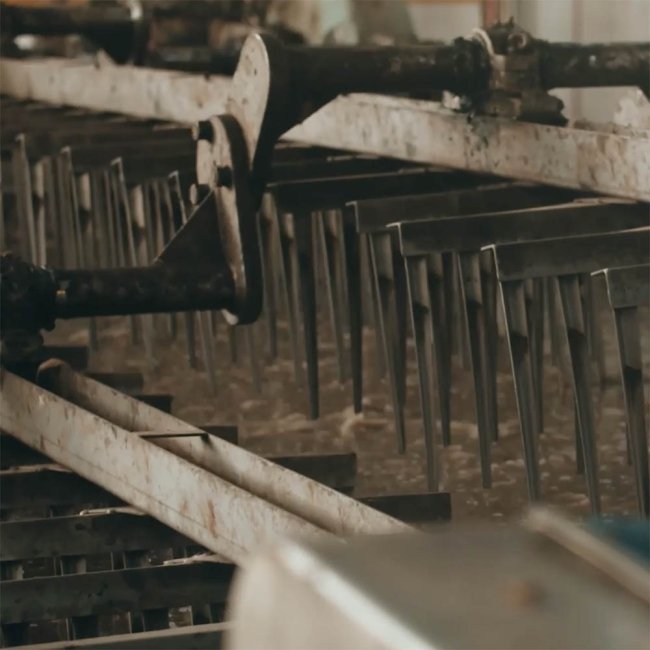
As the photograph shows, the scale of the cleared mill gives a real indication of the size of the project. What currently looks like a largely empty industrial space will soon become home to a modern wool scouring operation.

Brand-New Wool Scouring Machinery

The next major milestone will be the installation of our new wool scouring machinery.

Scouring is one of the most important stages in wool processing. Raw or greasy wool naturally contains lanolin, dirt, dust, vegetable matter and other impurities accumulated while the fleece is on the sheep.

The scouring process carefully washes the wool, removing these contaminants and preparing the fibre for subsequent manufacturing processes.

Once installed and commissioned, our new machinery will provide Standard Wool with modern equipment designed specifically for this crucial stage of wool processing.

Investing in the Future of Wool

For Standard Wool, this project is about much more than installing new machinery.

It represents a long-term investment in our processing capabilities and demonstrates our continued commitment to the British wool industry and beyond.

Wool is an extraordinary natural fibre. It is renewable, durable, versatile and biodegradable, with applications ranging from clothing and carpets to insulation, furnishings and increasingly innovative technical products.

Having the infrastructure required to efficiently process raw wool is therefore an essential part of maintaining a strong and resilient wool supply chain.

Continuing Yorkshire’s Textile Heritage

The investment also feels particularly appropriate given Yorkshire’s long association with wool and textile manufacturing.

For generations, mills across the region have processed wool for customers in Britain and around the world. While the machinery and technology have changed, Yorkshire remains an important centre of expertise within the industry.

Preparing the Thomas Chadwick mill for a new generation of wool processing equipment allows that heritage to continue while embracing modern manufacturing technology.

What Happens Next?

With the mill now cleared, attention can turn towards the installation and commissioning of the new scouring line.

There is still plenty of work ahead before the mill becomes operational, but seeing the production floor cleared represents a major and very visible step forward.

Over the coming months, we’ll be sharing further updates as the area takes shape.

The mill might look empty today, but it won’t stay that way for long.

A new chapter for wool scouring at Standard Wool is getting closer.

What Is Sustainable About Wool?

With businesses and consumers growing ever more conscious of sustainability, wool is repeatedly identified as one of the most sustainably produced natural fibres in the world. From clothing and carpets to insulation and technical textiles, wool is a renewable, biodegradable and durable alternative to many synthetic materials.

Sustainability is a core part of what we do at Standard Wool UK. You are refined (for wool scouring) – we turn raw British wool into clean, premium quality fibre for use in hundreds of sustainable products across many industries.

Wool Is a Renewable Resource

Wool is a natural product that sheep grow every year, unlike synthetic fibres which are all derived from oil-based plastics. One of the only renewable fibres, wool is shorn from sheep who grow a new fleece every year over the duration of their lifetime.

Wool has a much lower dependency on fossil fuels than many synthetic alternatives, largely because it grows from sunlight, water and grass.

Wool Is Biodegradable

The best thing about wool product and selling sheep and lambs for slaughter or waste is that it naturally biodegrades. And at the end of its life cycle wool will eventually break down in soil, providing nutrients including nitrogen sulphur and carbon to land back into the earth.

It can also take hundred of years to decompose landfill as microfibers – dangerous microplastics. Unlike plastic, wool does not contribute long-lasting pollution to the environment, which means disposal is far less destructive.

Wool Lasts a Ridiculously Long Time

But sustainability isn’t just about how a material is produced, it’s also about how long it stays around.

Natural strength, elasticity and resilience Both strong on its own. They can flex thousands of times without breaking, which is one reason wool products keep doing their job and looking good for years. Wool products that can be made into carpets, upholstery, insulation and clothing usually outlast synthetic equivalents.

The longer the lifespan — fewer replacement devices, less manufacturing and ultimately less waste.

Wool Requires Less Washing

The unique surface structure of each fibre has been proven to have natural odour-resistant and stain-resistant qualities. While wool or textiles may need to be washed less frequently than synthetic fabrics.

This reduces washing as it encourages minimum water, electricity and detergent wastage and extends the life of a product.

Wool Helps Regulate Temperature

Wool is a great natural insulator. Its fibers trap millions of tiny air pockets that help keep buildings warm in winter and cooler in summer.

In terms of clothing, wool serves to keep the writer at the right temperature and working towards comfort across a large spectrum of climate.

At home or in commercial buildings, it can help with better energy efficiency and bills for heating and cooling purposes.

Wool Supports a Circular Economy

One of the foundational sustainability principles is to maintain materials in a product cycle at maximum duration.

Wool is a perfect fit for a circular economy. It can be used and made into new product again, recycled process (up to about four times) and then biodegraded in nature. Wool has been recycled and commonly used in insulation, acoustic products, carpets, mattresses and a very wide range of industrial applications.

The ability to reuse valuable fibres in this way reduces waste and maximises the lifespan of every fleece.

British Wool Reduces Transport Emissions

This will, in turn, contribute to minimising the environmental costs of importing fibres from abroad while increasing the use natural and biodegradable fibres such as wool.

Standard Wool UK Ltd: We process British wool near to its source, supporting local farmers and minimising transport emissions in turn. Minimising the distance in the supply chain from the farm gate will minimise carbon emissions and contribute to strengthening a sustainable, UK textile industry.

Responsible Wool Processing

Wool sustainability further depends on how it is processed.

During wool scouring the natural grease, dirt and foreign matter are removed to prepare fibres for processing. Continuous development of water-management, energy efficiency and waste recovery processes in modern scouring facilities help to keep the environmental footprint small while providing quality requirements.

Before the wool fibre can be prepared for its next stage of production, each batch has to go through an efficient and responsible wool processing system.

Synthetic fibres are not what you can call nature friendly.

A lot of synthetic fabrics are made with petroleum-based materials, and almost all release microplastics at some point in their life cycle, especially when being washed.

Unlike any other fibre in the world, wool is an entirely natural animal fibre and does not add to permanent plastic pollution. Opting for wool over synthetic fiber replacements means less reliance on petroleum-based product lines and the provision of related industrial processes.

Wool: still one of the worlds most sustainable fibres and why

With its duplicitous combination of renewability, durability, and biodegradability, recyclability combined with wool’s exceptional performance few materials can match. Wool also has environmental benefits that last throughout its life cycle from the farm to the finished products and beyond.

We, at Standard Wool UK, are proud to be one of these important players in preparing British wool for use across the industries throughout the UK and all over the world. Through sustainable processing and wool scouring expertise, we ensure this incredible natural fibre remains integral to a more sustainable future.

The Importance of Scouring Wool

One of the most important steps in processing wool for fine yarns, knitwear, insulation, textiles, carpets and technical products is wool scouring. No wool fibre can reach its full potential without being properly scoured. This essential process prepares raw wool for manufacturing, ensuring it is clean, consistent and ready for use in a wide range of applications.

At Standard Wool, wool scouring is at the heart of everything we do. Our specialist facilities process British wool to the highest standards, transforming raw fleece into high-quality fibre ready for the next stage of production.

What Is Wool Scouring?

Raw wool, often referred to as greasy wool, contains much more than just fibre. It naturally contains lanolin (wool grease), suint (the dried perspiration of sheep), dirt, soil, dust, vegetable matter, seeds and other contaminants collected while sheep graze outdoors. In many cases, these impurities can account for over half of the fleece’s total weight.

Wool scouring is the controlled washing process that removes these impurities through a series of warm water baths and specialist detergents. The result is clean wool fibre that retains its natural strength, softness and performance characteristics while being perfectly prepared for further processing.

Produces High-Quality Fibre

Every premium wool product starts with clean fibre. Removing dirt, grease and contaminants allows manufacturers to produce more consistent yarns, fabrics, insulation and technical wool products. Proper scouring ensures the fibre performs consistently throughout every stage of the manufacturing process.

Improves Manufacturing Efficiency

Clean wool is significantly easier to process than greasy wool. Scoured wool moves more efficiently through carding, combing, spinning and dyeing machinery, reducing equipment wear, increasing production speeds and minimising waste. This improves productivity while delivering higher-quality finished products.

Delivers Better Dyeing Results

Residual grease and contaminants can prevent dyes from penetrating wool fibres evenly. Thorough scouring allows colour to be absorbed consistently, producing brighter, richer and more uniform colours across every production batch.

Preserves Wool’s Natural Performance

When carried out correctly, scouring removes unwanted impurities without damaging the wool fibres themselves. The wool retains the natural qualities that make it such a valuable material, including breathability, durability, elasticity, moisture management and excellent thermal insulation.

Supports Sustainable Manufacturing

Wool is one of the world’s most sustainable natural fibres, and effective scouring helps maximise the value of every fleece. By preparing wool correctly, manufacturers can reduce waste, improve yields and make better use of this renewable resource. Modern scouring systems are also becoming increasingly energy and water efficient, helping reduce environmental impact while maintaining exceptional processing standards.

The Importance of Professional Wool Scouring

Scouring is a highly specialised process that requires precise control of water temperature, detergent concentration, washing times and fibre handling. Poorly scoured wool may retain contaminants, while overly aggressive processing can damage the fibre and reduce its quality.

Professional wool scouring ensures every batch is cleaned consistently while preserving the integrity of the fibre. This reliability is essential for manufacturers who depend on high-quality raw materials for large-scale production.

Standard Wool’s Commitment to Quality

With decades of experience processing British wool, Standard Wool supplies customers throughout the UK and internationally with premium-quality scoured wool. Our modern scouring facilities are designed to deliver high-capacity, efficient processing while maintaining the highest standards of fibre quality.

Every fleece that passes through our facility is carefully processed to produce clean, consistent wool suitable for spinning, felting, insulation, bedding, horticultural products and many other applications.

Looking Ahead

As global demand for sustainable natural fibres continues to grow, professional wool scouring has never been more important. Every high-quality wool product begins with clean, expertly prepared fibre, allowing manufacturers to produce consistent products while making the most of one of nature’s most renewable resources.

At Standard Wool, we continue to invest in advanced wool processing technology, supporting British farming and supplying manufacturers with high-quality scoured wool they can rely on.

What Are the Pros and Cons of Wool?

Wool has been used for thousands of years and remains one of the world’s most versatile natural fibres. From clothing and carpets to insulation, upholstery and technical textiles, wool offers a unique combination of comfort, durability and sustainability that synthetic fibres often struggle to match.

However, like every material, wool has both advantages and disadvantages depending on how and where it is used. Understanding the pros and cons of wool can help manufacturers, designers and consumers make informed decisions when selecting materials for their products.

What Is Wool?

Wool is a natural fibre grown by sheep and other animals, including alpacas, llamas, cashmere goats and angora rabbits. British wool is particularly valued for its resilience, durability and versatility, making it suitable for a wide range of industrial and consumer applications.

Before wool can be manufactured into finished products, it usually undergoes a scouring process to remove grease, dirt and vegetable matter, producing clean wool ready for processing into yarns, fabrics and nonwoven materials.

The Advantages of Wool

1. Wool Is a Renewable Natural Fibre

One of wool’s greatest strengths is that it is naturally renewable. Sheep grow a new fleece each year, making wool a sustainable resource that can be harvested regularly as part of normal animal husbandry.

Unlike many petroleum-based synthetic fibres, wool comes from a natural and continually renewable source.

2. Excellent Temperature Regulation

Wool is well known for helping regulate temperature. Its natural crimp creates tiny air pockets that help trap warmth in colder conditions while still allowing moisture vapour and excess heat to move away from the body.

This makes wool suitable for year-round use in clothing, bedding, upholstery and interior products.

3. Naturally Breathable

Wool fibres can absorb moisture vapour without feeling immediately wet. This helps keep wool products comfortable by reducing the build-up of humidity next to the skin or within interior materials.

The breathable nature of wool is one reason it is widely used in mattresses, insulation, carpets and soft furnishings.

4. Durable and Long Lasting

High-quality wool products can last for many years when properly cared for. Wool fibres have natural elasticity, allowing them to bend and recover without breaking easily.

This makes wool especially valuable in carpets, upholstery and clothing where resilience and long-term performance are important.

5. Naturally Flame Resistant

Wool has naturally good flame-resistant properties compared with many synthetic fibres. It has a relatively high ignition temperature and tends to char rather than melt.

This makes wool an attractive material for interiors, commercial environments, transport seating and other applications where fire performance is an important consideration.

6. Biodegradable

At the end of its useful life, untreated wool can biodegrade naturally and return nutrients to the soil. This gives wool a significant environmental advantage over many synthetic fibres, which can remain in landfill for many years.

7. Resistant to Odours

Wool can help reduce odour build-up because of the way it manages moisture. This is one reason wool is used in outdoor clothing, sportswear, socks, bedding and other products where freshness and comfort matter.

The Disadvantages of Wool

1. Higher Initial Cost

Wool is often more expensive than synthetic alternatives because of the costs involved in farming, shearing, grading, scouring and processing.

However, because wool products are often durable and long lasting, the higher upfront cost can be balanced by better long-term value.

2. Special Care Requirements

Some wool products need careful washing or professional cleaning to prevent shrinkage, felting or distortion. While modern wool treatments have improved washability, care instructions should always be followed.

3. Potential for Moth Damage

As a natural fibre, wool can attract clothes moths if it is stored incorrectly or left dirty for long periods. Proper cleaning, storage and moth protection can help prevent this issue.

4. Variable Fibre Characteristics

Not all wool is the same. Different sheep breeds produce different fibre types, from fine soft wool suitable for garments to coarser, stronger wool used in carpets, insulation and industrial applications.

Choosing the correct wool grade is essential for achieving the right performance in the finished product.

5. Slower Drying

Because wool can absorb moisture, it may take longer to dry than some synthetic fibres. However, this same moisture-management ability is also one of the reasons wool is comfortable and breathable.

Why Many Industries Continue to Choose Wool

Despite these considerations, wool remains one of the most desirable natural fibres available. Industries including fashion, interiors, construction, automotive, bedding and furniture continue to use wool because it combines natural sustainability with strong technical performance.

Its durability, comfort, fire resistance, breathability and biodegradability make it particularly attractive as businesses and manufacturers look for more responsible material choices.

How Standard Wool Supports the Wool Industry

At Standard Wool, we supply high-quality scoured wool to manufacturers across the UK and internationally. Our wool processing facilities help transform raw wool into a clean, consistent material suitable for a wide range of applications.

Working closely with farmers, merchants and manufacturers, Standard Wool supports the journey from raw fleece to finished product, helping British wool reach markets in textiles, insulation, furnishings, flooring and specialist industrial sectors.

Conclusion

The advantages of wool far outweigh its disadvantages for many applications. Its renewable nature, durability, breathability, flame resistance and biodegradability make it one of the most sustainable and technically capable fibres available today.

While wool may require slightly more care and can carry a higher upfront cost than synthetic alternatives, its longevity, performance and environmental benefits continue to make it a preferred choice for manufacturers, designers and consumers around the world.

New Wool Scouring Equipment Starts Arriving at the Thomas Chadwicks Factory

New Wool Scouring Equipment Starts Arriving at the Thomas Chadwicks Factory

Today marks a major milestone for Standard Wool as the first pieces of our brand-new wool scouring equipment have begun arriving at our factory. This investment represents the next phase in expanding our wool processing capabilities and reinforces our commitment to supporting the British wool industry with modern, efficient and high-capacity scouring facilities.

The arrival of the new machinery is the result of months of planning and preparation. Over the coming months, each piece of equipment will be carefully installed and commissioned before becoming fully operational. Once complete, the upgraded scouring line will enable us to process raw wool and maintain the high quality and consistency our customers expect.

Investing in modern scouring technology allows us to improve production efficiency, enhance quality control and reduce processing times. Whether we’re producing scoured wool for the carpet industry, insulation, bedding, horticulture or industrial applications, the new equipment will help us deliver clean and consistent fibres in a cost-effective way with a lower environmental footprint.

This expansion also demonstrates our long-term commitment to supporting UK sheep farmers and the wider wool industry by providing reliable UK wool processing services.

We will be sharing regular updates as more equipment arrives and installation progresses. It’s an exciting time for everyone at Standard Wool, and we look forward to bringing the new scouring line into operation and continuing to invest in the future of UK wool processing.

Where Can I Sell Raw Wool in the UK?

If you keep sheep in the UK, one of the most common questions after shearing is: where can I sell raw wool? For many farmers, smallholders and landowners, wool is a natural by-product of keeping sheep, but finding the right buyer is not always straightforward. The UK wool market has changed significantly over the years, and while raw fleece still has value, the best route depends on the quantity, quality, breed, cleanliness and intended end use of the wool.

Raw wool can be sold through several different channels in the UK, including British Wool, independent wool merchants, craft buyers, spinners, felters, textile producers, insulation manufacturers and specialist processors. Each option has its own advantages, and choosing the right route can help you get the best return from your fleece.

Selling Raw Wool Through British Wool

For many UK sheep farmers, British Wool is the most established route for selling raw fleece. British Wool collects, grades and markets wool on behalf of producers across the country. This is often the simplest option for farmers with larger quantities of fleece, especially where wool needs to be handled, graded and sold into wider commercial markets.

Wool sold through this route is usually graded according to type, quality, colour, strength, length and condition. Once graded, it can be sold into a range of industries including textiles, carpets, bedding, upholstery, insulation and manufacturing. For commercial flocks, this remains one of the most recognised routes into the UK wool supply chain.

Selling Directly to Wool Merchants

Another option is to sell raw wool directly to wool merchants. Wool merchants may buy fleece for processing, resale or supply into specific manufacturing sectors. This can be useful if you have a consistent quantity of wool, a particular breed type, or fleece that suits a defined commercial use.

Direct selling may be more suitable for producers who can supply wool in larger volumes or who have well-prepared, properly stored fleeces. Merchants will usually look closely at quality, contamination, vegetable matter, colour and moisture levels before agreeing to purchase. Clean, well-skirted and carefully packed wool is more attractive to buyers than mixed or poorly stored fleece.

Selling to Spinners, Felters and Craft Buyers

If you have smaller quantities of wool, especially from rare breeds or high-quality fleeces, selling directly to hand spinners, felters and craft makers can be a strong option. Many craft buyers are interested in specific breed characteristics, natural colours, long locks, softness, crimp and handle.

Rare breed wool, coloured fleeces and unusual fibre types can sometimes attract more interest in craft markets than in bulk commercial channels. Selling fleece directly at agricultural shows, fibre fairs, craft events, farm shops, online marketplaces or through social media can help smallholders reach buyers who value traceability and breed-specific wool.

Selling Raw Wool Online

Raw wool can also be sold online through platforms such as farm supply groups, craft marketplaces, spinning communities and local smallholder networks. This route can work particularly well for smaller batches, individual fleeces or breed-specific wool.

When selling wool online, clear descriptions are important. Buyers will want to know the sheep breed, fleece weight, whether the wool has been skirted, whether it is washed or greasy, the colour, staple length, softness, level of vegetable matter and whether it is suitable for spinning, felting, stuffing, insulation or craft use. Good photographs also help buyers understand the condition and character of the fleece.

Selling to Textile and Manufacturing Businesses

Some UK businesses buy raw wool for use in textiles, bedding, upholstery, insulation, acoustic products, felt, carpets, packaging, horticulture and other sustainable materials. These buyers may require wool with specific properties such as resilience, bulk, fire resistance, moisture management or durability.

This route is usually more suitable for producers who can supply consistent volumes or who are working with a processor capable of preparing wool to the required standard. Manufacturers may not always buy directly from farms, but there can be opportunities where the wool has been sorted, scoured or prepared for a specific application.

Can You Sell Unwashed Raw Wool?

Yes, raw wool can be sold unwashed, often referred to as greasy wool. Greasy wool is fleece in its natural state after shearing, containing lanolin, suint, dirt, dust and vegetable matter. Many commercial wool buyers and processors expect to receive wool in this form before it is scoured and processed.

However, the condition of the fleece still matters. Unwashed does not mean poorly handled. Fleeces should be properly skirted, kept dry, stored in breathable wool sheets or suitable sacks, and protected from contamination. Wet, mouldy or heavily contaminated wool may be rejected or valued much lower.

How to Improve the Value of Raw Wool

The value of raw wool is affected by quality, breed, cleanliness, colour, fibre length, strength, fineness and end use. To improve your chances of selling wool successfully, it is important to handle the fleece carefully from the point of shearing.

Good practice includes keeping the shearing area clean, avoiding contamination from straw, hay, string, paint, dags or soil, separating different fleece types, removing heavily soiled edges, keeping coloured wool separate from white wool, storing fleeces dry and labelling bags clearly. The better the preparation, the easier it is for buyers, graders and processors to assess the wool properly.

What Types of Wool Are Easier to Sell?

Different types of wool suit different markets. Fine and soft wool may be more attractive for yarn, garments and hand spinning. Stronger wool may be better suited to carpets, insulation, upholstery, mattresses and industrial products. Coloured and rare breed fleeces may be popular with crafters, while bulkier wools can be useful for natural insulation and filling materials.

There is no single best type of wool to sell. The most important factor is matching the wool to the right buyer. A fleece that has limited value in one market may be useful in another, especially as interest grows in sustainable, renewable and biodegradable natural fibres.

Can Smallholders Sell Raw Wool?

Yes, smallholders can sell raw wool, but the best route may be different from larger commercial farms. If you only have a few fleeces, selling directly to craft buyers, local spinners, felters, small textile businesses or online customers may be more practical than trying to enter bulk commercial channels.

Smallholders should focus on presentation, breed information and traceability. Buyers often like to know where the wool came from, how the sheep are kept and what makes the fleece unique. Well-presented small batches can appeal strongly to independent makers and fibre enthusiasts.

Do You Need to Process Wool Before Selling It?

You do not always need to process wool before selling it. Many buyers purchase raw greasy wool and arrange scouring, carding, combing or spinning themselves. However, processed wool can sometimes open up additional markets. Washed, scoured, carded or spun wool may be easier to sell to crafters, textile makers or consumers, but processing also adds cost and time.

For larger quantities, professional scouring and processing may make the wool more suitable for commercial use. For smaller quantities, some producers choose to have wool made into yarn, rovings, batts, felt or finished products to increase value.

Where Does Standard Wool UK Fit In?

Standard Wool works within the wool supply chain, supporting the processing and preparation of wool for a wide range of uses. For producers, merchants and manufacturers, wool handling, grading, scouring and preparation are key stages in turning raw fleece into a material suitable for further use.

If you are looking at the future of your raw wool, it is important to think beyond the initial sale. Wool can move into many different markets once it has been correctly assessed and processed, from traditional textiles to modern sustainable materials.

Final Thoughts

Raw wool can be sold in the UK through several routes, including British Wool, wool merchants, craft buyers, textile manufacturers, online marketplaces and specialist processors. The best option depends on how much wool you have, the breed, the quality, the condition and whether you want to sell it as greasy fleece or add value through processing.

For the best results, keep wool clean, dry, separated and clearly labelled. Well-prepared fleece is easier to grade, easier to sell and more attractive to buyers. Whether you are a commercial farmer, a smallholder or a producer with specialist breed wool, there are still opportunities to find a market for raw wool in the UK.

Meta Description

Find out where to sell raw wool in the UK, including British Wool, wool merchants, craft buyers, textile manufacturers and specialist wool processors.

How Many Different Types of Wool Are There in the UK?

The UK has one of the richest wool traditions in the world. With more than 60 recognised sheep breeds and many regional, crossbred and specialist fleece types, British wool is not just one material — it is a wide family of natural fibres with different textures, colours, strengths and uses.

According to British Wool, the UK has over 60 different sheep breeds, while the National Sheep Association notes that this can rise to around 90 when crossbreeds and composites are included. This means there are dozens of different UK wool types, each suited to different products such as knitwear, carpets, insulation, upholstery, bedding, crafts and textiles.

So, How Many Types of Wool Are There in the UK?

There are over 60 main sheep breeds in the UK, each producing its own style of fleece. However, wool is usually grouped by characteristics rather than breed alone. The main types of British wool include fine wool, medium wool, hill wool, mountain wool, longwool, lustre wool, naturally coloured wool and rare breed wool.

Main Types of Wool Found in the UK

1. Fine Wool

Fine wool is soft, smooth and comfortable against the skin. It is often used for clothing, knitwear, blankets and finer textile products. While the UK is not as strongly associated with Merino wool as countries such as Australia or New Zealand, some British breeds produce softer fleeces suitable for premium garments and hand spinning.

2. Medium Wool

Medium wool is one of the most versatile wool types in the UK. It offers a good balance of softness, resilience and durability, making it suitable for knitting yarns, upholstery, blankets, home textiles and general wool products.

3. Hill Wool

Hill wool comes from sheep bred for tougher landscapes and upland conditions. These fleeces are usually stronger and more hardwearing, making them useful for carpets, rugs, insulation and durable textiles.

4. Mountain Wool

Mountain wool is generally coarse, robust and resilient. Breeds such as Swaledale, Herdwick and Blackface are known for producing hardy wool that performs well in practical applications. This type of wool is often valued for carpets, underlay, insulation and traditional rural products.

5. Longwool

Longwool breeds produce longer, heavier fleeces with a distinctive handle. Examples include Leicester Longwool, Lincoln Longwool and Wensleydale. Longwool can be used for spinning, weaving, decorative textiles and specialist craft projects.

6. Lustre Wool

Lustre wool has a natural sheen and silky appearance. It is often associated with breeds such as Wensleydale and Teeswater. This wool is popular with hand spinners, textile artists and makers who want a more decorative or luxurious finish.

7. Naturally Coloured Wool

Not all British wool is white. Many UK breeds produce naturally coloured fleeces in shades of grey, brown, black, cream and oatmeal. Breeds such as Jacob, Shetland, Manx Loaghtan and Black Welsh Mountain are especially valued for their natural colour variation.

8. Rare Breed Wool

Rare breed wool comes from native and heritage sheep breeds that are less common today. The Rare Breeds Survival Trust lists many native UK sheep breeds, including breeds considered at risk. Rare breed wool is important because it helps preserve biodiversity, farming heritage and unique fleece characteristics.

Examples of British Sheep Breeds and Their Wool

  • Herdwick wool: Coarse, hardwearing and ideal for carpets, insulation and rustic textiles.
  • Bluefaced Leicester wool: Soft, lustrous and popular for knitting yarn and hand spinning.
  • Shetland wool: Lightweight, warm and available in many natural colours.
  • Jacob wool: Naturally patterned, often black, white or grey, and popular with crafters.
  • Wensleydale wool: Long, curly and lustrous, used in luxury yarns and decorative textiles.
  • Swaledale wool: Strong and durable, often used in carpets and practical wool products.
  • Black Welsh Mountain wool: Naturally dark and resilient, suitable for craft and textile use.
  • Teeswater wool: Long, silky and decorative, often used by spinners and fibre artists.

Why Are There So Many Types of Wool in the UK?

The UK’s varied landscape has shaped its sheep breeds. Mountain areas, moorland, lowland farms, coastal regions and islands all require different types of sheep. Over time, these breeds developed fleeces suited to their environment. Some wool became soft and fine, while other wool became stronger, thicker and more weather resistant.

This variety is one of the reasons British wool is so useful. A soft fleece may be ideal for clothing, while a stronger fleece may be better for carpets, insulation or upholstery. No single wool type is “best” for everything — the right wool depends on the end use.

Is British Wool Sustainable?

British wool is natural, renewable and biodegradable. Sheep grow a new fleece every year, making wool a renewable fibre when responsibly farmed and processed. Choosing UK wool can also support local farmers, reduce reliance on synthetic fibres and help preserve traditional rural skills.

Organisations such as British Wool continue to promote the value of British fleece and support the connection between farmers, processors, manufacturers and consumers.

What Is the Best Type of Wool?

The best type of wool depends on what it is being used for. For soft clothing, finer wool or Bluefaced Leicester may be preferred. For carpets, stronger hill and mountain wools are often ideal. For natural colour, Jacob, Shetland or Black Welsh Mountain wool may be chosen. For luxury craft use, Wensleydale or Teeswater can provide beautiful lustre and texture.

Conclusion

So, how many different types of wool are there in the UK? The simple answer is that there are more than 60 recognised sheep breeds, and potentially around 90 when crossbreeds and composites are included. In practical terms, British wool can be divided into many different categories, including fine wool, medium wool, hill wool, mountain wool, longwool, lustre wool, naturally coloured wool and rare breed wool.

This incredible variety makes UK wool one of the most diverse natural fibres available. Whether used for clothing, carpets, upholstery, insulation, bedding, crafts or traditional textiles, British wool remains a valuable, sustainable and highly adaptable material.

SEO Meta Description

Discover how many types of wool there are in the UK, including British sheep breeds, fine wool, hill wool, longwool, rare breed wool and their uses.

Do You Need to Scour Wool?

If you’ve ever handled raw fleece straight from a sheep, you may have wondered whether wool needs to be scoured before it can be used. In most cases, the answer is yes. Wool scouring is a vital stage in the wool processing journey, removing natural contaminants and preparing the fibre for manufacturing, textile production, insulation products, bedding, upholstery fillings and a wide range of commercial applications.

Raw wool contains a mixture of wool grease (lanolin), dirt, dust, suint (dried sheep sweat) and vegetable matter such as grass, seeds and burrs. While these substances are a natural part of the fleece, they must typically be removed before the wool can be processed efficiently and consistently.

What Is Wool Scouring?

Wool scouring is the industrial washing process used to clean raw wool after shearing. The fleece passes through a series of carefully controlled wash baths and rinses that remove grease and impurities whilst preserving the natural properties of the fibre. Once scoured, the wool is significantly cleaner, lighter and more suitable for further processing.

The amount of contamination within a fleece can vary considerably depending on the breed of sheep, environmental conditions and farming practices. In some cases, raw wool may contain less than 50% clean usable fibre before scouring takes place.

Why Is Scouring Important?

Scouring provides several important benefits throughout the wool supply chain. Clean wool is easier to process, easier to grade and produces more consistent end products. Removing contaminants also reduces wear on machinery used during carding, spinning and manufacturing.

Scoured wool allows manufacturers to:

  • Accurately assess fibre yield and quality
  • Improve processing efficiency
  • Create consistent finished products
  • Prepare fibres for dyeing and further treatment
  • Meet commercial quality standards
  • Reduce contamination during production

For businesses producing insulation, bedding, textiles, yarns, upholstery fillings and technical wool products, scouring is usually an essential requirement.

Can Wool Be Used Without Scouring?

There are some specialist applications where unscoured or partially processed wool can be used. For example, raw fleece is sometimes utilised for garden mulch, erosion control, animal bedding or niche craft projects. However, for most commercial and industrial uses, scouring remains a necessary step.

Even when wool retains some lanolin for specific applications, it will typically undergo a cleaning process to remove excess contamination and ensure consistency.

What Happens After Scouring?

Once the wool has been scoured, it can be graded, carded, dyed, spun or manufactured into a wide range of products. The cleaned fibre becomes significantly more versatile and suitable for both traditional textile applications and modern sustainable materials.

Scouring also allows valuable by-products such as lanolin to be recovered and refined for use in cosmetics, pharmaceuticals and industrial applications, ensuring maximum value is extracted from the fleece.

Professional Wool Scouring Services

At Standard Wool UK, we provide professional wool scouring services for farmers, merchants, manufacturers and processors throughout the UK and beyond. Our facilities are designed to deliver consistent, high-quality results whilst preserving the natural characteristics that make wool one of the world’s most versatile and sustainable fibres.

If you’re looking to process raw fleece or require expert advice on wool preparation, contact our team today to discuss your requirements.

How to Tell if Wool Is Good Quality

Not all wool is the same. The quality of wool can vary significantly depending on the breed of sheep, fibre length, fineness, cleanliness and how the wool has been processed. Whether you are buying raw fleece, wool yarn, insulation material or finished wool products, understanding how to identify high-quality wool can help you make a better long-term investment.

At Standard Wool UK, we work with a wide range of British wool grades and understand exactly what separates premium wool from lower-grade fibres. Here are the key things to look for when assessing wool quality.

1. Fibre Softness and Fineness

One of the biggest indicators of wool quality is the fineness of the fibre. Finer wool fibres tend to feel softer against the skin and are commonly used in clothing, knitwear and luxury textiles.

High-quality wool should feel:

  • Soft rather than coarse
  • Smooth to the touch
  • Comfortable against the skin

Coarser wool fibres are often used for carpets, insulation and industrial products where durability is more important than softness.

2. Fibre Length

Longer wool fibres are generally considered higher quality because they spin more effectively into strong, durable yarns. Short or broken fibres can weaken the finished product and create excessive shedding or pilling.

Good quality wool typically has:

  • Consistent staple length
  • Minimal breakage
  • Strong fibre structure

Uniformity is important, especially for textile manufacturing and spinning applications.

3. Natural Elasticity

Wool naturally has excellent elasticity. High-quality wool fibres should spring back into shape after being stretched or compressed.

This resilience helps wool products:

  • Maintain their shape
  • Resist creasing
  • Improve durability over time

If wool feels brittle, weak or lacks flexibility, it may indicate poor fibre condition or lower-grade processing.

4. Cleanliness and Purity

Raw wool should be reasonably clean and free from excessive contamination. Dirt, vegetable matter, synthetic fibres and debris can all reduce the quality and value of wool.

Well-prepared wool generally contains:

  • Minimal contamination
  • Consistent colour
  • Healthy natural lanolin content
  • Even fibre texture

Professional wool grading and scouring play a major role in improving fibre quality before manufacturing.

5. Crimp and Texture

Wool fibres naturally form small waves known as crimp. A strong, even crimp pattern is often associated with higher-quality wool because it improves elasticity, insulation and spinning performance.

Quality wool usually shows:

  • Consistent crimp throughout the fleece
  • Dense fibre structure
  • Good loft and bounce

The amount of crimp can vary between sheep breeds depending on the intended use of the wool.

6. Strength and Durability

Good wool should be strong enough to withstand handling, spinning and long-term use without excessive fibre breakage.

Weak wool fibres can result from:

  • Poor sheep nutrition
  • Stress during fleece growth
  • Improper storage conditions
  • Inferior processing methods

Strong wool fibres contribute to longer-lasting textiles, carpets and insulation products.

7. Breed and Wool Type

Different sheep breeds produce very different types of wool. Some British breeds are known for soft apparel wool, while others produce stronger fibres better suited to carpets or industrial applications.

For example:

  • Merino wool is prized for softness and fineness
  • Romney wool is valued for strength and durability
  • Bluefaced Leicester wool is known for lustre and softness
  • Hill breed wool is often used in carpets and insulation

Understanding the breed helps determine whether the wool is suitable for its intended purpose.

Why Wool Quality Matters

High-quality wool performs better, lasts longer and often commands greater value within the textile and manufacturing industries. Whether used for clothing, interiors, insulation or industrial applications, wool quality directly affects appearance, comfort, durability and processing efficiency.

At Standard Wool UK, we supply and process British wool for a wide range of commercial applications across the UK. Our experience in wool grading and sourcing helps ensure the right fibre is matched to the right purpose.

To learn more about wool grading, wool processing or British wool supplies, contact Standard Wool UK today.

Privacy Settings
We use cookies to enhance your experience while using our website. If you are using our Services via a browser you can restrict, block or remove cookies through your web browser settings. We also use content and scripts from third parties that may use tracking technologies. You can selectively provide your consent below to allow such third party embeds. For complete information about the cookies we use, data we collect and how we process them, please check our Privacy Policy
Youtube
Consent to display content from - Youtube
Vimeo
Consent to display content from - Vimeo
Google Maps
Consent to display content from - Google
ZH
Privacy Overview

This website uses cookies so that we can provide you with the best user experience possible. Cookie information is stored in your browser and performs functions such as recognising you when you return to our website and helping our team to understand which sections of the website you find most interesting and useful.