
Are Synthetic Sofas Safe? Why Wool Upholstery Is a Natural Alternative

In recent years, there has been growing public interest in the materials used in everyday furniture, particularly sofas. A number of articles and studies have explored the potential health impact of certain man-made materials, including synthetic fabrics, foams and chemical treatments commonly used in upholstery.

Many modern sofas are manufactured using petroleum-based materials such as polyester, নাইlon and polyurethane foam. These materials are often treated with flame retardants, stain-resistant coatings and other chemical finishes. Some research has suggested that certain chemicals used in these processes may release volatile organic compounds (VOCs) into the home environment over time.

VOCs are gases that can be emitted from a range of household products, and prolonged exposure in poorly ventilated spaces has been linked in some studies to potential health concerns. In particular, attention has been drawn to older generations of flame retardant chemicals, some of which have been restricted or phased out in various countries due to safety concerns.

It is important to note that regulations in the UK and Europe are strict, and manufacturers must meet safety standards designed to reduce risk to consumers. However, increasing awareness has led many people to look more closely at the materials used in their homes and consider more natural alternatives where possible.

The rise of natural materials in upholstery

As a result of this shift, natural fibres are seeing renewed interest within the furniture and interiors market. Materials such as wool, cotton and linen are being reconsidered not only for their aesthetic qualities but also for their environmental and practical benefits.

Wool, in particular, has a long history in upholstery and interior use across the UK. Traditionally used in everything from carpets to soft furnishings, wool offers a number of inherent properties that make it well suited to modern living spaces.

Why wool fabric is a strong alternative

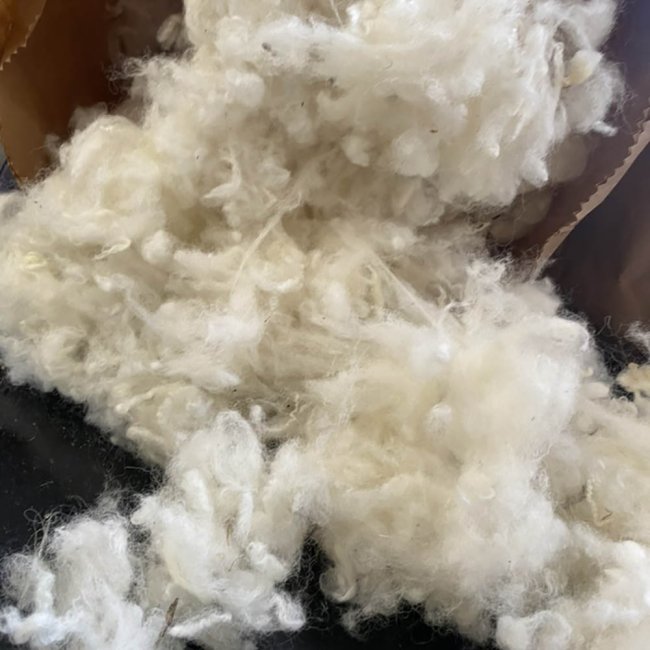
Wool is a natural, renewable fibre produced by sheep across the UK, including regions such as Yorkshire, Cumbria, Wales and Scotland. Unlike synthetic fibres, wool does not rely on petrochemicals in its production and requires fewer chemical treatments to perform well in domestic environments.

One of wool’s key advantages is its natural resistance to fire. Wool fibres are more difficult to ignite than many synthetic materials and tend to self-extinguish, meaning they can often meet fire safety requirements with reduced reliance on added chemical flame retardants.

Wool is also breathable and naturally regulates moisture, helping to create a more comfortable indoor environment. It can absorb and release humidity without feeling damp, which contributes to a balanced atmosphere within the home.

In addition, wool is durable, resilient and biodegradable. High-quality wool upholstery fabrics can maintain their appearance over time while offering a more sustainable option compared to synthetic alternatives.

A considered approach to materials

While not all synthetic materials are harmful, and many are widely used within regulatory guidelines, the conversation around indoor air quality and material safety continues to evolve. For consumers who are looking to reduce their exposure to man-made chemicals, choosing natural fibres can be part of a more considered approach to furnishing a home.

Wool upholstery provides a practical and time-tested alternative, combining performance with natural origin. As interest grows in sustainable and lower-impact materials, wool continues to stand out as a versatile option for sofas, chairs and interior textiles.

Supporting British wool

At the same time, choosing wool fabrics can help support British farming and the wider rural economy. By using wool sourced from UK farms in regions such as the Yorkshire Dales, the Lake District and the Scottish Highlands, consumers can play a role in strengthening demand for this natural fibre.

As awareness increases, wool is once again being recognised not just as a traditional material, but as a relevant and valuable choice for modern homes.

New Wool Scouring Line in Production for Standard Wool

Standard Wool is pleased to announce the manufacture of a brand-new wool scouring line, marking a major step forward in our ability to process British sheep wool and UK llama fibre more efficiently and at greater scale.

Currently in production, the new scourer has been purpose-built to handle a wide range of wool types sourced from across the UK, including fleeces from Yorkshire, Cumbria, Wales, Scotland, the Midlands and the South West. This investment reflects Standard Wool’s ongoing commitment to improving capacity, maintaining quality and supporting British farmers and fibre producers.

The new scouring line has been designed with durability and performance in mind, featuring heavy-duty stainless steel construction, precision-engineered rollers, large processing tanks and robust material handling components. Every part of the system has been manufactured to help deliver a more controlled and consistent scouring process, while protecting fibre quality throughout production.

British wool can vary significantly depending on breed, region and fleece type. From stronger hill wool produced in the Yorkshire Dales, the Pennines, Cumbria and the Scottish Highlands, through to softer lowland fleeces from areas such as Lincolnshire, Norfolk, Leicestershire and Devon, effective scouring requires equipment capable of handling that variation. The new line has been manufactured to provide exactly that flexibility, allowing Standard Wool to process a broad range of raw wool more effectively.

As well as sheep wool, the new system will also support the processing of UK llama wool, helping Standard Wool expand its ability to work with different natural fibres coming from breeders and smallholders across the country. This is an important step as interest continues to grow in British-grown alternative fibres alongside traditional sheep fleece.

Once installed and commissioned, the new scourer will increase throughput, improve processing efficiency and give greater control over the cleaning stage of production. That means better consistency, improved turnaround times and stronger long-term capability for handling growing volumes of British wool.

This latest investment forms part of Standard Wool’s wider commitment to strengthening the British wool supply chain. By continuing to invest in modern processing infrastructure, we are helping create a more reliable route to market for farmers across West Yorkshire, North Yorkshire, Cumbria, Lancashire, Wales, Scotland, the Midlands, East Anglia and beyond.

We look forward to sharing more updates as the new wool scouring line moves closer to installation and operation. For producers looking to sell British sheep wool or UK llama wool, Standard Wool remains committed to offering fair, competitive pricing backed by ongoing investment in the future of the industry.

UK Wool Buyers: We Buy All Types of British Sheep Wool and UK Llama Wool

Across the UK, wool remains an important part of farming, land management and rural industry. At Standard Wool, we buy a wide range of British fibre, including sheep wool from farms across England, Scotland, Wales and Northern Ireland, as well as UK llama wool from breeders and smallholders throughout the country. Whether you are based in Yorkshire, Cumbria, Devon, Wales, Scotland or the Midlands, Standard Wool offers a straightforward way to sell your wool at a fair and competitive price.

Buying all types of UK sheep wool

The UK is home to many different sheep breeds, and each produces wool with its own character, quality and end use. At Standard Wool, we buy all different types of UK sheep wool, from strong hill fleeces to softer lowland clips. This means we are interested in wool from a broad range of British breeds and farming systems, helping farmers across the country find a reliable outlet for their fleece.

In upland and hill areas such as the Yorkshire Dales, the Lake District, Snowdonia, the Pennines, the Scottish Highlands and the Scottish Borders, farmers often keep hardy native breeds. These can include Swaledale, Scottish Blackface, Herdwick and Welsh Mountain sheep. Their wool is often stronger and more robust, making it suitable for a variety of practical applications. Standard Wool buys this type of British sheep wool from farms in North Yorkshire, Cumbria, Lancashire, Northumberland, Wales and Scotland.

In lower-lying areas such as Lincolnshire, Leicestershire, Norfolk, Suffolk, Kent, Yorkshire and the wider Midlands, sheep farmers often produce fleeces from breeds such as Texel, Suffolk, Romney and Bluefaced Leicester. These wools can vary in handle and appearance, and Standard Wool is always interested in buying commercial sheep wool from these regions as well.

British wool from native and specialist breeds

Britain is known for its native and heritage sheep breeds, and these also play an important role in the wool trade. At Standard Wool, we buy wool from traditional breeds raised in well-known sheep farming areas such as Wensleydale, North Yorkshire, the Shetland Islands, Devon, Cornwall and the Welsh hills. Whether the fleece comes from a large commercial flock or a smaller mixed farm, Standard Wool is happy to discuss buying options.

By purchasing a wide variety of British sheep wool, Standard Wool helps farmers and producers across the UK sell fleece that might otherwise be difficult to move. We understand that wool values can be inconsistent, which is why we aim to provide a dependable and competitive service for UK wool producers.

Buying UK llama wool

As well as sheep wool, Standard Wool also buys UK llama wool. Llama fibre has become increasingly popular in recent years, with more breeders and smallholders keeping llamas in areas such as Yorkshire, Lancashire, Cheshire, Derbyshire, Wales, the South West and parts of Scotland. For sellers looking for a buyer of llama wool in the UK, Standard Wool provides an easy route to market.

UK llama wool is valued for its softness, warmth and distinctive character. Because llama breeders are often spread across rural areas and smallholdings rather than large commercial farms, it is important to work with a buyer who understands the market. Standard Wool buys llama wool from across the UK and welcomes enquiries from breeders with clips of different sizes.

Wool buyers across Yorkshire, Cumbria, Wales, Scotland and beyond

At Standard Wool, we work with wool producers in many of the UK’s best-known sheep farming regions. This includes West Yorkshire, North Yorkshire, Cumbria, the Lake District, Lancashire, the Peak District, Northumberland, Devon, Cornwall, Powys, Snowdonia, the Scottish Borders and the Highlands. We also hear from farms and smallholders in the Midlands, East Anglia and other rural parts of Britain.

Using these location terms naturally within your website can help people searching for phrases such as wool buyers in Yorkshire, sell sheep wool in Cumbria, llama wool buyers UK, British wool buyers in Wales and where to sell sheep fleece in Scotland find your business more easily. Standard Wool is proud to support wool producers in all of these areas.

Why sell to Standard Wool?

Standard Wool aims to make the process simple for farmers, breeders and smallholders. We buy different grades and types of sheep wool, and we also buy UK llama wool, giving sellers one trusted point of contact. We understand the realities of British farming and the need for fair, competitive pricing backed by clear communication.

If you are looking to sell sheep wool in Yorkshire, Cumbria, Wales, Scotland, Devon, Lancashire, the Midlands or anywhere else in the UK, Standard Wool would be pleased to hear from you. The same applies if you have llama fibre to sell and want a reliable UK wool buyer.

To find out more about selling your fleece, contact Standard Wool today. We buy all different types of UK sheep wool and UK llama wool, and we are always keen to speak with farmers and breeders across Britain.

Fair Wool Prices for Farmers: A Better Way Forward

For too long, many UK farmers have felt that wool is undervalued. Despite the time, care and cost involved in producing it, returns have often failed to reflect its true worth. At Standard Wool, we believe that needs to change.

We are committed to offering farmers a fair, competitive price for their wool, built on transparency, consistency and respect for the work that goes into every fleece.

Why fair wool pricing matters

Wool is a natural, sustainable and renewable material with huge value. Yet, in recent years, market fluctuations, processing costs and global pressures have meant many farmers receive very little in return. In some cases, wool has even been treated as a by-product rather than a valuable commodity.

This simply does not reflect the reality on the farm. Shearing, handling, storage and transport all require time and investment. Farmers deserve a return that recognises that effort.

Our approach to buying wool

At Standard Wool, we take a straightforward and honest approach. We work directly with farmers to ensure pricing is clear, competitive and reflective of current market conditions.

Our aim is simple: remove uncertainty and offer a reliable route to market.

That means:

  • Providing fair and competitive pricing based on wool quality and demand
  • Offering clear communication from collection to payment
  • Building long-term relationships with farmers, not one-off transactions
  • Ensuring a simple and efficient process for selling your wool

Supporting British farming

We understand the pressures farmers face. Input costs continue to rise, margins are often tight, and every part of the business needs to work harder than ever. By offering a better price for wool, we aim to support farm income and help ensure wool remains a viable and worthwhile product.

We are proud to work with farmers across the UK, helping to keep British wool in circulation and ensuring it is valued as it should be.

Transparency you can trust

Fair pricing starts with transparency. At Standard Wool, we are open about how we value wool and how pricing is determined. There are no hidden deductions or unclear processes. Just a straightforward, honest approach that puts farmers first.

We believe that trust is built through consistency, and we aim to deliver that in every transaction.

A better future for wool

The future of wool depends on how it is valued today. By working more closely with farmers and offering fair, competitive prices, we can help restore confidence in wool as a product and ensure it continues to play a key role in sustainable agriculture.

If you are looking for a better way to sell your wool, we would be pleased to speak with you.

Work with Standard Wool

At Standard Wool, we are committed to doing things differently. Fair pricing, clear communication and long-term partnerships are at the heart of what we do.

Get in touch today to find out how we can offer you a competitive price for your wool and a more reliable route to market.

Organic British Wool

A versatile and environmentally friendly material, organic British wool has several advantages for both the environment and the consumer. The sheep that create this premium wool are raised on organic farms in the UK, where they are taken care of with morally and sustainably. We will look at the advantages of organic British wool in this blog post as well as the various uses it can be put to.

Sustainability is one of the main advantages of organic British wool. Organic sheep farms put the health and welfare of their livestock first, which contributes to a healthier environment overall. These farms maintain their land naturally and organically, which lessens the carbon footprint of the wool manufacturing process. As an added benefit, using organic farming techniques means that extra attention is paid to the use of chemicals or pesticides during the process, which is better for the environment and the health of the farmers who work with the sheep.

When it comes to consumer advantages, Organic British Wool is a great option for products like pillows and mattresses because it is a naturally insulating material that can assist regulate body temperature. Wool fibres can naturally wick sweat from the body and keep you cool in the summer because they are breathable. Wool is a fantastic insulator in the winter, keeping you warm even in extremely chilly conditions.

Another great option for knitwear and hand knitting projects is organic British wool. Wool fibres’ inherent crimp provides knitwear a distinctive feel and bounce, making it a preferred material for things like sweaters, scarves, and caps. Wool is also naturally odour- and stain-resistant, making it a great material for clothing that is worn near to the body. Fewer washes mean less water usage at home and a longer-lasting product.

The use of organic British wool is a last environmentally friendly alternative. You are helping farmers that prioritise ethical and sustainable farming methods and who put forth a lot of effort to take good care of their animals and the land they depend on when you purchase products made with organic British wool. Wool is also a renewable resource, which implies that its production won’t deplete the earth’s natural resources over time.

In conclusion, organic British wool is a flexible and sustainable material with a variety of advantages for the consumer and the environment. Wool is a great option for anyone searching for a natural and sustainable material that is both durable and pleasant, and is used in anything from pillows and mattresses to knitwear and hand knitting crafts. You are choosing products that are beneficial for you, the environment, and the animals who create them when you choose products made from Organic British Wool.
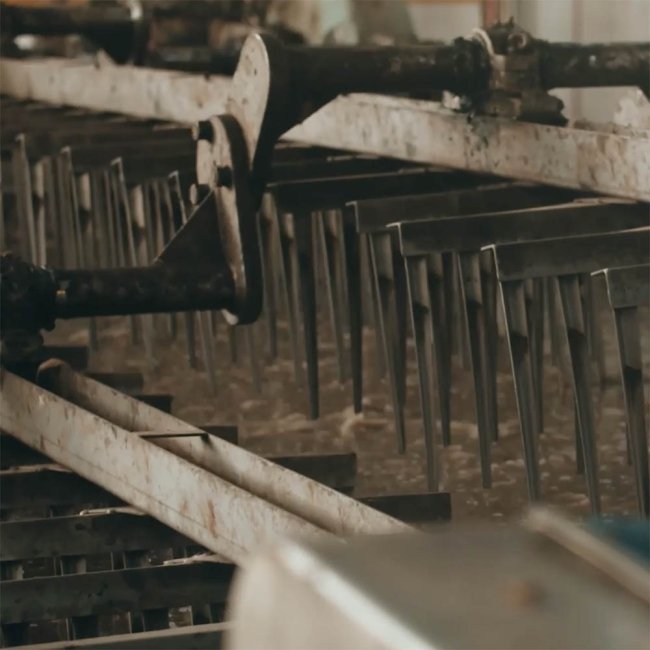
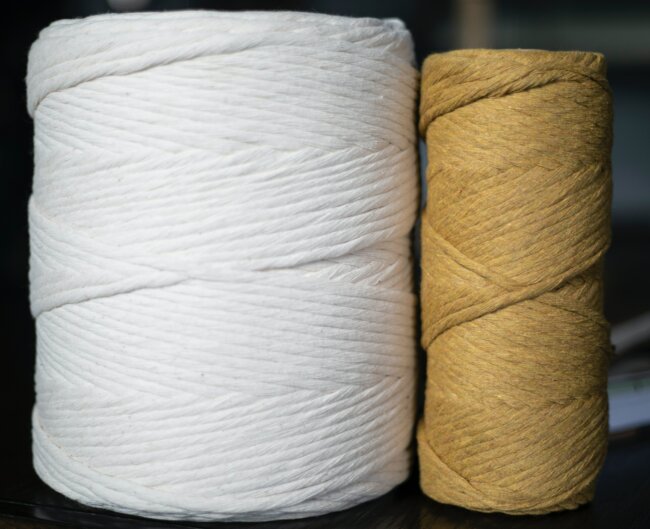
Scouring wool at Standard wool UK

Scouring wool is an essential step in the production of high-quality wool products. Standard Wool, a leading wool processing company based in the UK, understands the importance of scouring wool and has implemented advanced processes to ensure the production of top-notch wool products.

At Standard Wool, they use a combination of hot water, detergent and agitation to prepare wool fibers for spinning, weaving, or other purposes like non woven production. The hot water scouring process involves immersing the raw wool in hot water and using a gentle detergent to break down impurities.

This method is effective in removing grease, dirt, and other impurities from the wool fibers. The hot water scouring process is fast and efficient.

At Standard Wool, they use state-of-the-art equipment and advanced technologies to scour wool on an industrial scale. Their facilities are designed to handle large volumes of wool efficiently and effectively, ensuring the production of high-quality wool products. The company also has strict quality control measures in place to ensure that each batch of wool is thoroughly scoured and free of impurities. Our process is world renowned for being efficient in water and energy use whilst ensuring the scoured product is not too open and the magnificent style of the staple fibre can be appreciated by our diverse client base for wool carpets and rugs, garments and upholstery, wool insulation and packaging.

In conclusion, Standard Wool is committed to providing customers with top-quality wool products. By using advanced scouring processes and state-of-the-art equipment, the company is able to produce wool that is clean, bright, and soft, ready for spinning into yarn or weaving into fabric. Whether you’re looking for fine merino wool or coarser breeds like Romney and Lincoln, Standard Wool is a trusted name in the wool industry, providing customers with the best products and services available.

Wool: A Sustainable and Timeless Fabric

Wool has been used as a fabric for centuries, and it continues to be a popular choice for clothing and home furnishings. In the UK market, wool has seen a steady increase in demand in recent years, driven by a growing interest in sustainable and environmentally-friendly products. In this blog, we will take a closer look at the trends driving wool’s popularity in the UK and why this versatile fabric is worth considering.

A Growing Interest in Sustainability

Consumers are becoming increasingly conscious of the impact their purchases have on the environment. Wool, a natural and renewable resource, is seen as a more sustainable option compared to synthetic fabrics that are made from petroleum-based materials. Wool is also biodegradable, making it a more environmentally friendly option in the long term.

Rise in Popularity of Woolen Garments

Woolen garments, such as sweaters and jackets, have seen a significant increase in popularity in recent years. Merino wool, in particular, has become a sought-after material due to its softness and versatility. This type of wool is incredibly soft, making it perfect for next-to-skin garments like underwear and base layers. Additionally, Merino wool has the ability to regulate body temperature, keeping you warm in the winter and cool in the summer.

Comfort for Working from Home

The COVID-19 pandemic has resulted in many people working from home, and this has led to a rise in demand for comfortable clothing. Wool is a natural choice for those looking for cozy and comfortable clothing to wear while working from home. It is soft, warm, and breathable, making it the perfect fabric for lounging around the house.

In conclusion, wool is a versatile and timeless fabric that is worth considering when making your next purchase. Its popularity in the UK market is driven by a growing interest in sustainable products, the rise in popularity of woolen garments, and the need for comfort while working from home. Whether you’re looking for a cozy sweater or a warm blanket, wool is a sustainable choice that is sure to keep you comfortable for years to come.

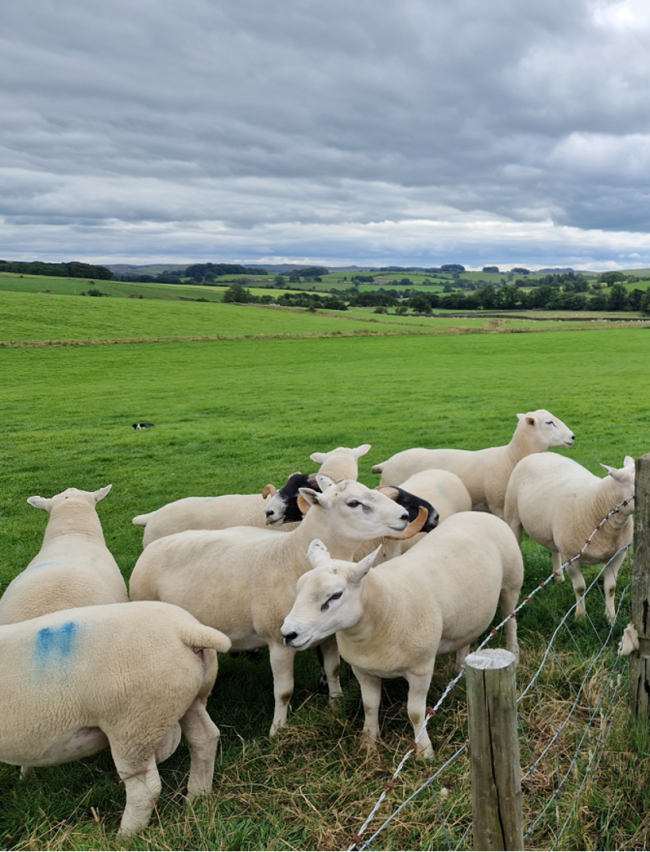
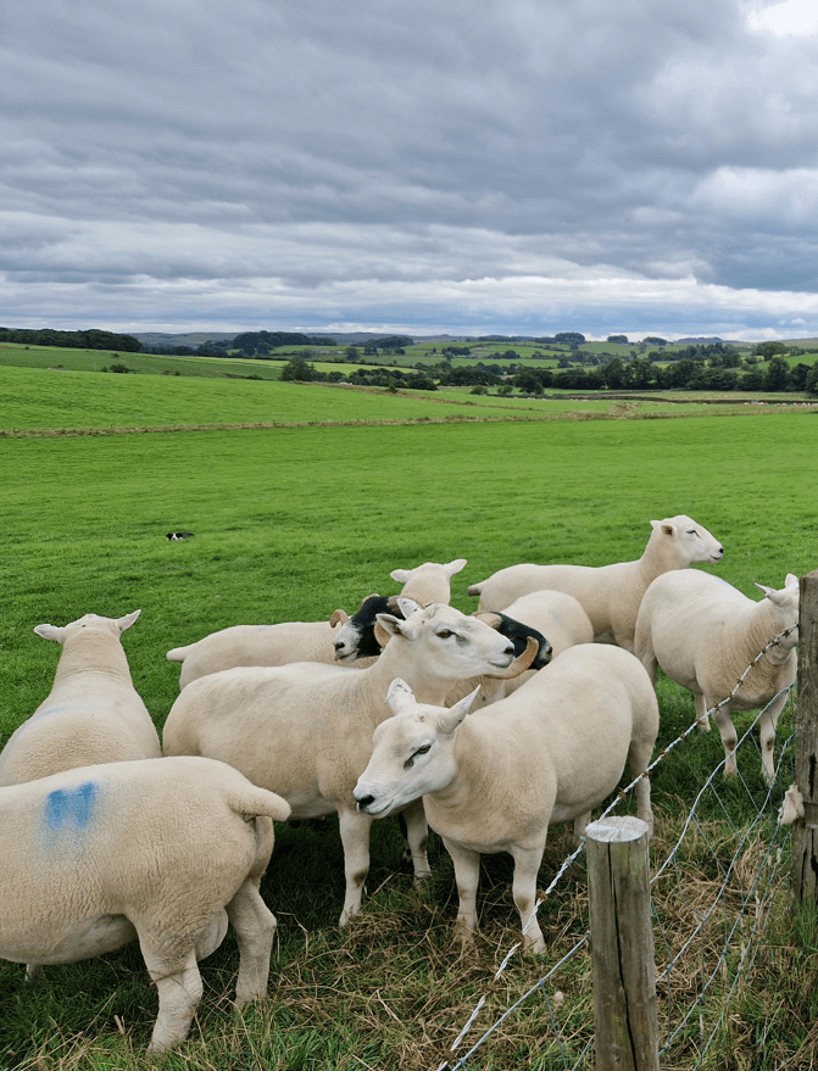
Bank holiday Monday on the farm in Clitheroe, Lancashire, England.

Bank holiday Monday on the farm in Clitheroe, Lancashire, England.

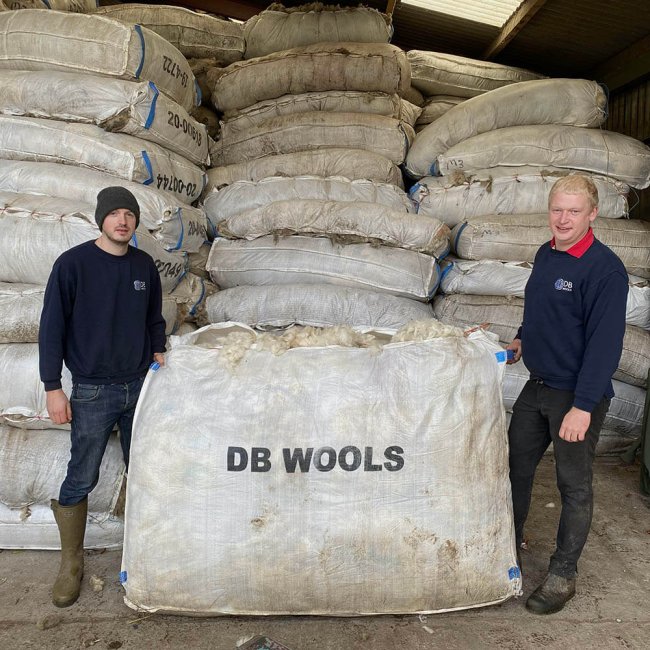
What a nice way to end the summer with a visit to see how the farm were getting on this season, we are privileged to have direct access to a farm in Clitheroe, Lancashire where we collect wool from the local area under our DB Wools direct buying business.

We drove out to the top of the farm and shown the expanse of rolling hills that the sheep and cattle graze on, the farm have chosen their breed of cattle carefully (Belted Galloway), a native breed which eat molinia grass. This encourages the growth of heather, which in late summer creates a beautiful purple landscape across the moorland.

The area has been very fortunate this year with rainfall, meaning the ground was lush with pasture and no additional feed was required which helped reduce cost and environmental footprint.

They have been carrying on some tups the last few seasons which although required time and effort, saved them some money at the local market for breeding rams, they were satisfied with the results.

Wool had been coming in at similar rates to last season which is a good sign, with access in the group to our own wool scouring washing facility and selling directly to vertical carpet producers for the contract carpet sector, where carpets are enjoyed by Hotels, Casinos, Cruise ships and public spaces, we are always in the market with a fair price and prompt payment.

Wool market for strong wool is still low unfortunately looking over the last 10 year period, excess supply entering the unforeseen pandemic and also the pandemic putting a holt to new carpet contracts became a perfect storm for wool price drops, and there is a lack of Chinese demand for finer bred wool, since the reopening of the UK we have seen good demand for the residential carpet sector with many people spending money on the home rather than holidays, hence the reason for wool prices to be marginally better than pandemic levels, looking forward we do not expect much hope for prices to rise at the farm gate, we anticipate a reduction because demand for wool products will be hit by high global energy pricing and other inflationary costs throughout the price chain, before the wool reaches the end user, it has to be washed, spun, dyed and manufactured into Carpet, so there are several energy price increases to contend with.

We hope to touch base back at the farm in the new year.

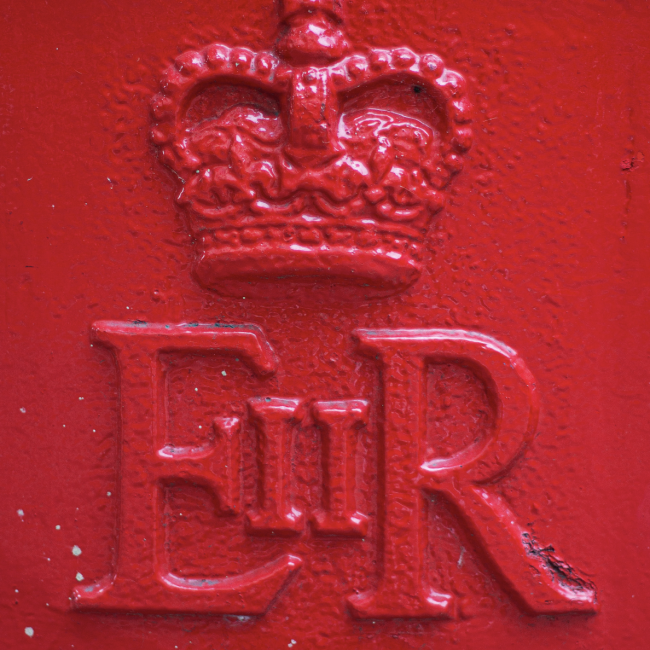
The Queen – Thursday 8th September 2022

Standard Wool and its group of companies takes this moment to acknowledge the passing of The Queen. Our thoughts are with the Royal Family and those who have been affected by the news.

Our Lady Sovereign commanded our respect, showed great courage and humility, devoting her life, serving the Country and Commonwealth for 70 years.

The Royal Family have been close to our hearts during the company’s history, HRH Princess Anne opened our wool scours in Thomas Chadwick’s, Dewsbury in 1991, and also reopened our combing operation in Chile, South America in 2007, as well, working in cooperation with the Campaign for Wool with His Majesty

New Year, New Brand, New Website.

It’s finally here,
after 14 years of living with the windows 98 edition of our website, we would proudly like to unveil our brand spanking new home. To accompany this launch we present to you in glorious 4k a cinematographic marvel which we feel sums up our company.

Please watch our short film to learn, from start to finish, the process, the service that Standard wool has offered for so many years.

Thank you, enjoy.

Privacy Settings
We use cookies to enhance your experience while using our website. If you are using our Services via a browser you can restrict, block or remove cookies through your web browser settings. We also use content and scripts from third parties that may use tracking technologies. You can selectively provide your consent below to allow such third party embeds. For complete information about the cookies we use, data we collect and how we process them, please check our Privacy Policy
Youtube
Consent to display content from - Youtube
Vimeo
Consent to display content from - Vimeo
Google Maps
Consent to display content from - Google
ES
Resumen de privacidad

Esta web utiliza cookies para que podamos ofrecerte la mejor experiencia de usuario posible. La información de las cookies se almacena en tu navegador y realiza funciones tales como reconocerte cuando vuelves a nuestra web o ayudar a nuestro equipo a comprender qué secciones de la web encuentras más interesantes y útiles.