Where Can I Sell Raw Wool in the UK?
If you keep sheep in the UK, one of the most common questions after shearing is: where can I sell raw wool? For many farmers, smallholders and landowners, wool is a natural by-product of keeping sheep, but finding the right buyer is not always straightforward. The UK wool market has changed significantly over the years, and while raw fleece still has value, the best route depends on the quantity, quality, breed, cleanliness and intended end use of the wool.
Raw wool can be sold through several different channels in the UK, including British Wool, independent wool merchants, craft buyers, spinners, felters, textile producers, insulation manufacturers and specialist processors. Each option has its own advantages, and choosing the right route can help you get the best return from your fleece.
Selling Raw Wool Through British Wool
For many UK sheep farmers, British Wool is the most established route for selling raw fleece. British Wool collects, grades and markets wool on behalf of producers across the country. This is often the simplest option for farmers with larger quantities of fleece, especially where wool needs to be handled, graded and sold into wider commercial markets.
Wool sold through this route is usually graded according to type, quality, colour, strength, length and condition. Once graded, it can be sold into a range of industries including textiles, carpets, bedding, upholstery, insulation and manufacturing. For commercial flocks, this remains one of the most recognised routes into the UK wool supply chain.
Selling Directly to Wool Merchants
Another option is to sell raw wool directly to wool merchants. Wool merchants may buy fleece for processing, resale or supply into specific manufacturing sectors. This can be useful if you have a consistent quantity of wool, a particular breed type, or fleece that suits a defined commercial use.
Direct selling may be more suitable for producers who can supply wool in larger volumes or who have well-prepared, properly stored fleeces. Merchants will usually look closely at quality, contamination, vegetable matter, colour and moisture levels before agreeing to purchase. Clean, well-skirted and carefully packed wool is more attractive to buyers than mixed or poorly stored fleece.
Selling to Spinners, Felters and Craft Buyers
If you have smaller quantities of wool, especially from rare breeds or high-quality fleeces, selling directly to hand spinners, felters and craft makers can be a strong option. Many craft buyers are interested in specific breed characteristics, natural colours, long locks, softness, crimp and handle.
Rare breed wool, coloured fleeces and unusual fibre types can sometimes attract more interest in craft markets than in bulk commercial channels. Selling fleece directly at agricultural shows, fibre fairs, craft events, farm shops, online marketplaces or through social media can help smallholders reach buyers who value traceability and breed-specific wool.
Selling Raw Wool Online
Raw wool can also be sold online through platforms such as farm supply groups, craft marketplaces, spinning communities and local smallholder networks. This route can work particularly well for smaller batches, individual fleeces or breed-specific wool.
When selling wool online, clear descriptions are important. Buyers will want to know the sheep breed, fleece weight, whether the wool has been skirted, whether it is washed or greasy, the colour, staple length, softness, level of vegetable matter and whether it is suitable for spinning, felting, stuffing, insulation or craft use. Good photographs also help buyers understand the condition and character of the fleece.
Selling to Textile and Manufacturing Businesses
Some UK businesses buy raw wool for use in textiles, bedding, upholstery, insulation, acoustic products, felt, carpets, packaging, horticulture and other sustainable materials. These buyers may require wool with specific properties such as resilience, bulk, fire resistance, moisture management or durability.
This route is usually more suitable for producers who can supply consistent volumes or who are working with a processor capable of preparing wool to the required standard. Manufacturers may not always buy directly from farms, but there can be opportunities where the wool has been sorted, scoured or prepared for a specific application.
Can You Sell Unwashed Raw Wool?
Yes, raw wool can be sold unwashed, often referred to as greasy wool. Greasy wool is fleece in its natural state after shearing, containing lanolin, suint, dirt, dust and vegetable matter. Many commercial wool buyers and processors expect to receive wool in this form before it is scoured and processed.
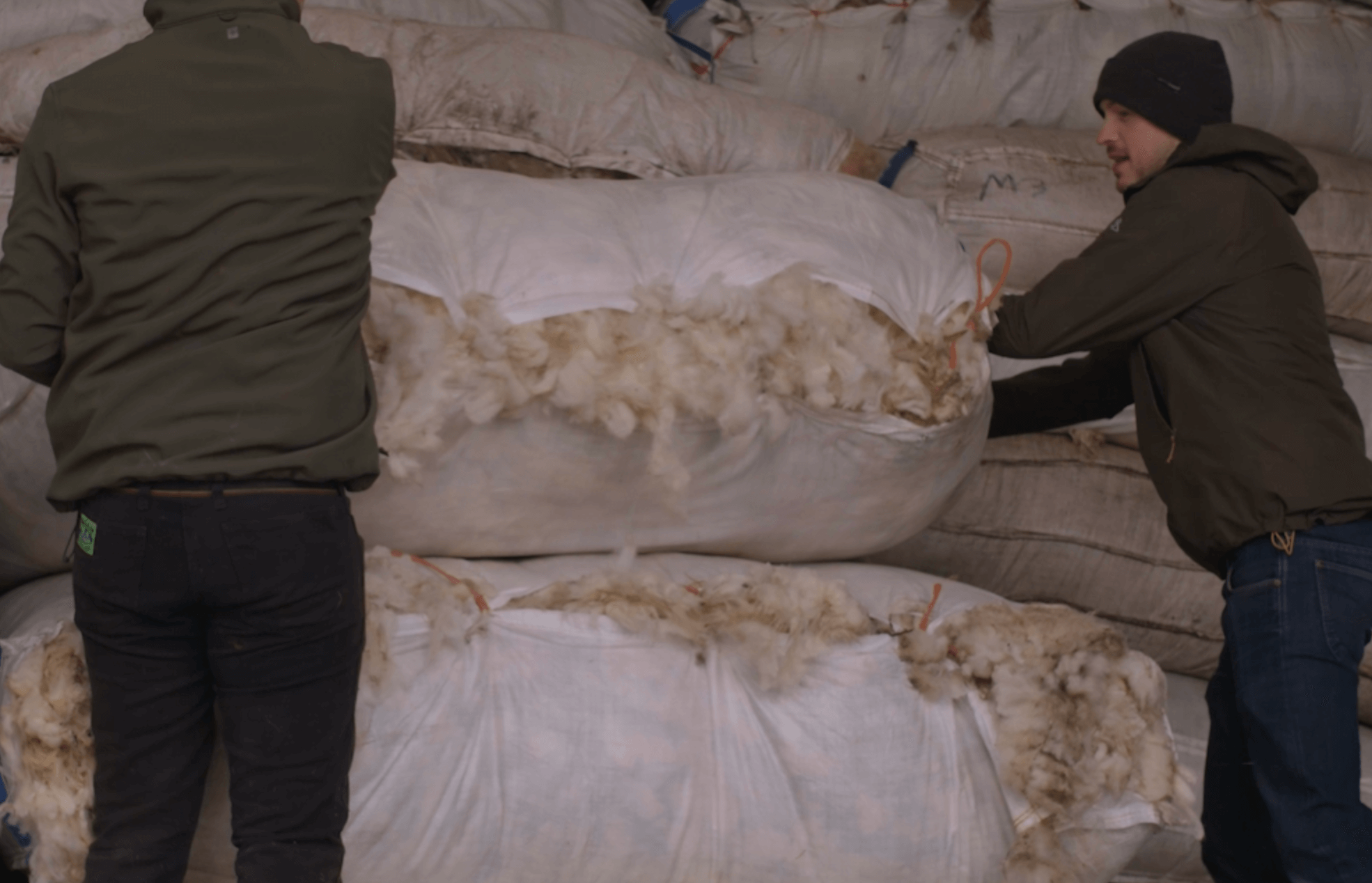
However, the condition of the fleece still matters. Unwashed does not mean poorly handled. Fleeces should be properly skirted, kept dry, stored in breathable wool sheets or suitable sacks, and protected from contamination. Wet, mouldy or heavily contaminated wool may be rejected or valued much lower.
How to Improve the Value of Raw Wool
The value of raw wool is affected by quality, breed, cleanliness, colour, fibre length, strength, fineness and end use. To improve your chances of selling wool successfully, it is important to handle the fleece carefully from the point of shearing.
Good practice includes keeping the shearing area clean, avoiding contamination from straw, hay, string, paint, dags or soil, separating different fleece types, removing heavily soiled edges, keeping coloured wool separate from white wool, storing fleeces dry and labelling bags clearly. The better the preparation, the easier it is for buyers, graders and processors to assess the wool properly.
What Types of Wool Are Easier to Sell?
Different types of wool suit different markets. Fine and soft wool may be more attractive for yarn, garments and hand spinning. Stronger wool may be better suited to carpets, insulation, upholstery, mattresses and industrial products. Coloured and rare breed fleeces may be popular with crafters, while bulkier wools can be useful for natural insulation and filling materials.
There is no single best type of wool to sell. The most important factor is matching the wool to the right buyer. A fleece that has limited value in one market may be useful in another, especially as interest grows in sustainable, renewable and biodegradable natural fibres.
Can Smallholders Sell Raw Wool?
Yes, smallholders can sell raw wool, but the best route may be different from larger commercial farms. If you only have a few fleeces, selling directly to craft buyers, local spinners, felters, small textile businesses or online customers may be more practical than trying to enter bulk commercial channels.
Smallholders should focus on presentation, breed information and traceability. Buyers often like to know where the wool came from, how the sheep are kept and what makes the fleece unique. Well-presented small batches can appeal strongly to independent makers and fibre enthusiasts.
Do You Need to Process Wool Before Selling It?
You do not always need to process wool before selling it. Many buyers purchase raw greasy wool and arrange scouring, carding, combing or spinning themselves. However, processed wool can sometimes open up additional markets. Washed, scoured, carded or spun wool may be easier to sell to crafters, textile makers or consumers, but processing also adds cost and time.
For larger quantities, professional scouring and processing may make the wool more suitable for commercial use. For smaller quantities, some producers choose to have wool made into yarn, rovings, batts, felt or finished products to increase value.
Where Does Standard Wool UK Fit In?
Standard Wool works within the wool supply chain, supporting the processing and preparation of wool for a wide range of uses. For producers, merchants and manufacturers, wool handling, grading, scouring and preparation are key stages in turning raw fleece into a material suitable for further use.
If you are looking at the future of your raw wool, it is important to think beyond the initial sale. Wool can move into many different markets once it has been correctly assessed and processed, from traditional textiles to modern sustainable materials.
Final Thoughts
Raw wool can be sold in the UK through several routes, including British Wool, wool merchants, craft buyers, textile manufacturers, online marketplaces and specialist processors. The best option depends on how much wool you have, the breed, the quality, the condition and whether you want to sell it as greasy fleece or add value through processing.
For the best results, keep wool clean, dry, separated and clearly labelled. Well-prepared fleece is easier to grade, easier to sell and more attractive to buyers. Whether you are a commercial farmer, a smallholder or a producer with specialist breed wool, there are still opportunities to find a market for raw wool in the UK.
Meta Description
Find out where to sell raw wool in the UK, including British Wool, wool merchants, craft buyers, textile manufacturers and specialist wool processors.